
Austin-TX: A Vibrant Hub of Innovation, Culture, and Economy
Introduction
Austin-TX, the capital city of Texas, stands as a beacon of innovation, culture, and economic growth in the United States. Known for its diverse economy, rich cultural scene, and commitment to sustainability, Austin has emerged as a significant player on both national and international stages. This comprehensive article delves into the multifaceted aspects of Austin-TX, offering readers an insightful exploration of its historical context, economic dynamics, technological advancements, policy landscape, challenges, success stories, and future prospects.
Understanding Austin-TX
Austin-TX is more than just the capital of Texas; it’s a city that prides itself on its unique blend of technology, culture, and progressive values. With a population of over 960,000 as of the 2020 census, Austin is the 11th most populous city in the U.S. and the fourth most populous in Texas. Its core components include a diverse economy led by technology and creative industries, a robust educational system with institutions like the University of Texas at Austin, and a commitment to maintaining a high quality of life for its residents.
Historically, Austin was founded in 1839 and has evolved from a small frontier settlement to a bustling metropolis. Its historical context is marked by periods of significant growth, cultural transformation, and technological innovation. Today, Austin-TX is recognized as one of the “Creative Cities” and a leading tech hub, particularly known for its software and tech startups. It fits within the broader landscape of American cities as a model for balancing rapid growth with maintaining a unique identity and a strong sense of community.
Global Impact and Trends
Austin-TX’s global influence is evident in various sectors, including music, technology, and entrepreneurship. The city hosts the South by Southwest (SXSW) conference and festivals, which have become a global hotspot for tech and creative minds to converge and exchange ideas. This event alone attracts over 400,000 attendees from around the world, showcasing Austin’s impact on a global scale.
Key trends shaping Austin’s trajectory include a booming tech industry, an influx of creative talent, and a focus on sustainability and green living. The city’s reputation as a “Silicon Hills” hub has attracted major tech companies like Apple, Google, and Facebook, which have set up significant operations within its borders. These trends not only affect Austin directly but also influence how other regions approach innovation and economic development.
Economic Considerations
The economic aspects of Austin-TX are characterized by a diversified market dynamic with a strong emphasis on technology, education, and healthcare sectors. Investment patterns in Austin have shown a consistent growth trend, with venture capital investments reaching billions of dollars in recent years. The city’s role in the broader economic systems is that of a pioneer in fostering an environment conducive to innovation, entrepreneurship, and job creation.
Austin’s economy has shown resilience through various economic cycles, with its gross metropolitan product (GMP) growing at a rate higher than the national average. The city’s commitment to investing in infrastructure, education, and public services has contributed to this economic vitality.
Technological Advancements
Austin-TX is synonymous with technological advancements, particularly in the realms of software development, semiconductors, and clean energy technologies. The city’s focus on fostering a tech-centric ecosystem has led to the growth of numerous startups that have scaled to become significant players in their respective industries.
Significant technological advancements, such as the development of autonomous vehicles and artificial intelligence applications, are being spearheaded by companies in Austin. These advancements not only drive economic growth but also position Austin as a leader in shaping the future of technology.
Policy and Regulation
The policies and regulations governing Austin-TX reflect its commitment to innovation, sustainability, and community well-being. The city has implemented progressive land use policies, supportive business regulations, and initiatives aimed at reducing carbon emissions. The legislative frameworks in place are designed to encourage growth while preserving the unique character of the city.
Austin’s approach to policy and regulation has been influential in shaping how cities across the nation address similar challenges. The city’s proactive stance on issues such as renewable energy adoption, affordable housing, and transportation infrastructure development has set a precedent for urban planning and governance.
Challenges and Criticisms
Despite its many successes, Austin-TX faces challenges such as traffic congestion, housing affordability, and infrastructure strain due to rapid population growth. The city’s critics often point to these issues as indicative of a growing pains phase, where the balance between growth and quality of life is at risk.
To address these challenges, Austin has proposed and implemented various strategies. These include investing in public transportation systems, implementing affordable housing policies, and creating economic incentives for sustainable business practices. By proactively tackling these issues, Austin aims to maintain its status as a desirable place to live, work, and play.
Case Studies
Several case studies exemplify the successful applications of Austin-TX’s innovative approach. For instance, the Austin Creative Alliance is an initiative that brings together artists, entrepreneurs, and community leaders to foster collaboration and economic growth in the creative sector. Another example is Dell Technologies, which has its global headquarters in Austin and has significantly contributed to the city’s tech economy.
These case studies demonstrate how Austin-TX’s policies, initiatives, and entrepreneurial spirit have led to tangible outcomes that benefit both the local community and the broader economy.
Conclusion
Austin-TX stands as a testament to how a city can successfully blend technology, culture, and progressive values to create a thriving urban environment. Its economic diversification, commitment to innovation, and proactive approach to policy and sustainability have positioned it as a leader among American cities. While challenges remain, Austin’s dynamic spirit and resilience suggest that it will continue to evolve and set an example for other cities to follow.
As of my knowledge cutoff date in early 2023, Austin-TX is poised to maintain its trajectory as a leading city for innovation, culture, and quality of life. Its influence on the global stage continues to grow, making it an important case study for urban development and economic planning in the 21st century.
Austin, Texas (get the details), is renowned for its vibrant cultural scene, particularly highlighted by major events like the Austin City Limits Music Festival and South by Southwest (SXSW), which celebrate local artistry, music, and culinary delights from a multitude of food trucks. These festivals are more than just celebrations; they are integral to Austin's economy and social fabric, reflecting its commitment to the arts and fostering community connection. The city's year-round outdoor markets on South Congress Avenue, especially the South Congress Avenue Market, further embody Austin's cultural ethos by providing a space for local artisans. Additionally, seasonal events such as the East Austin Studio Tour and Art for the People Festival enrich the city with visual arts, music, dance, and culinary traditions, solidifying Austin's reputation as a cultural hub within Texas. These festivities not only attract international visitors but also provide local artists and performers with valuable exposure, contributing to the city's economic vitality and rich cultural legacy.
Discover the heart of community spirit through the lively tapestry of outdoor festivals and markets in Austin, TX. This article takes you on a journey through the vibrant streets of this cultural hub, showcasing how local events foster unity and celebrate creativity. From the colorful stalls of Austin’s artisans to the rhythmic beats of live performances, join us as we explore the city’s commitment to community engagement and the joyous expressions of its diverse populace.
Austin's Vibrant Outdoor Festivals: A Community Celebration of Culture and Creativity
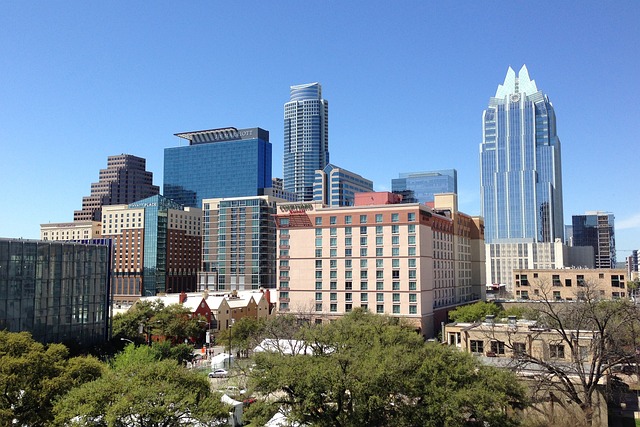
Austin, Texas, is renowned for its dynamic cultural scene, which finds expression through a myriad of outdoor festivals that celebrate community and creativity. These events not only showcase local talent but also serve as gathering points where diverse groups within the city intersect. The Austin City Limits Music Festival, held annually, draws visitors from around the globe to experience a wide array of music genres, art installations, and an eclectic mix of food trucks. It’s a testament to the city’s commitment to fostering community through shared experiences and artistic expression. Similarly, South by Southwest (SXSW) takes place in March, offering a platform for new creative media including films, interactive media, and music. These festivals not only elevate Austin’s cultural profile but also contribute significantly to the local economy. They provide opportunities for artists and performers to gain exposure while allowing attendees to immerse themselves in the rich tapestry of artistic endeavors that define this vibrant city.
Exploring Austin's Markets: Where Local Artisans and Residents Unite
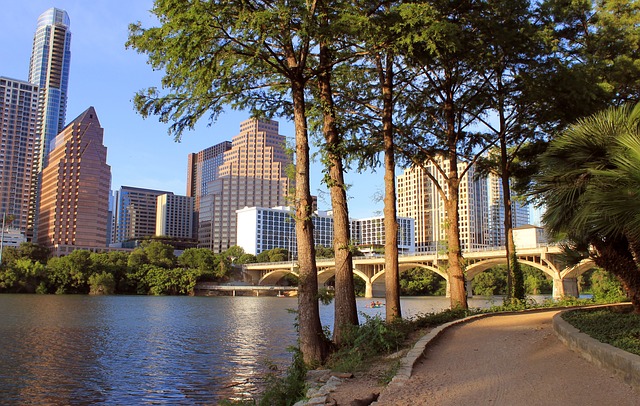
Nestled in the heart of Texas, Austin stands out as a vibrant hub where community and creativity intersect. The city’s markets are a testament to this convergence, offering a platform for local artisans to showcase their crafts and connect with residents and visitors alike. Among these is the iconic South Congress Avenue, known for its bustling outdoor markets. Here, shoppers can browse through an array of handcrafted goods, from bespoke jewelry to unique home decor items, all made by Texas-based creators. The South Congress Avenue Market, open on weekends, is a favorite among locals and tourists, fostering an environment where the community’s spirit thrives.
Austin TX also hosts seasonal events like the East Austin Studio Tour and the Art for the People Festival, which provide opportunities for artists to display their work and engage with the public. These festivals not only celebrate the visual arts but also feature music, dance, and culinary delights from local food vendors. The city’s commitment to preserving its cultural heritage through these outdoor gatherings is evident in the way they bring together diverse groups of people, promoting a sense of unity and shared experience that is uniquely Austin. These markets and festivals are more than just shopping destinations; they are gatherings where community stories are told through art and craftsmanship, embodying the essence of Austin’s local culture.
Austin, Texas, consistently showcases its commitment to community through a variety of outdoor festivals and markets. These gatherings not only celebrate culture and creativity but also foster connections among locals and visitors alike. As the article has illustrated, events like the iconic Austin City Limits Music Festival and the vibrant South Congress Avenue outdoor markets stand as testaments to the city’s thriving community spirit. These venues offer a platform for local artisans to showcase their crafts, and for diverse cultures to intermingle in celebration of shared interests and passions. It’s clear that Austin TX remains a hub for communal engagement and an exemplar for cities worldwide seeking to nurture a strong sense of community through festive events and lively markets.