
Austin TX's escape room scene emphasizes teamwork, strategic thinking, and diverse skill sets for success. Key insights include: (1) Diverse teams with complementary skills achieve 90% completion rates through active participation in storytelling and collaborative problem-solving. (2) Effective communication, including non-verbal cues and inclusive language, enhances teamwork and performance. (3) Structured strategies, role designation, and adaptability speed up problem-solving. (4) High-performing teams exhibit equitable participation, strong social dynamics, and effective leverage of individual strengths. Preparations beforehand maximize performance by focusing on active listening, clear communication, and task breakdown.
In the dynamic cityscape of Austin TX, where innovation meets culture, group dynamics play a pivotal role in shaping experiences both within communities and corporate settings alike. Escape rooms have emerged as a captivating test of teamwork and problem-solving skills, offering unique challenges that foster collaboration and strategic thinking. This article delves into the multifaceted implications of Austin's Escape Rooms as powerful tools for group bonding and skill development, exploring how they challenge participants to think critically and work cohesively under pressure—all while showcasing the vibrant, engaging atmosphere that defines this Texas metropolis.
- Understanding Escape Room Dynamics in Austin TX
- Group Selection: Key to Success in Problem-Solving
- The Role of Communication in Austin's Challenge Rooms
- Strategic Thinking for Overcoming Obstacles in Escapes
- Measuring Team Performance in Austin's Escape Adventure
Understanding Escape Room Dynamics in Austin TX
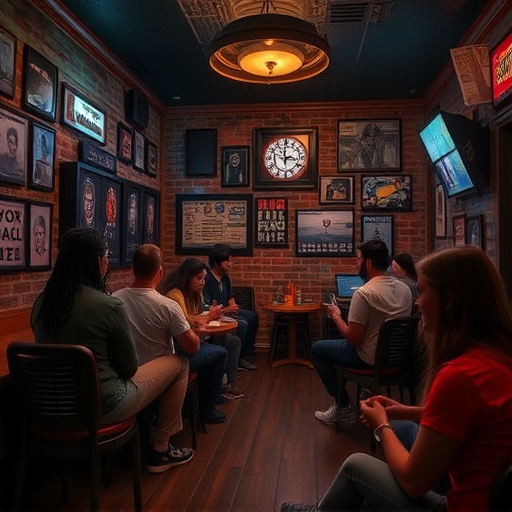
Austin TX is renowned for its dynamic and innovative culture, and this spirit extends to the city's thriving escape room scene. Understanding the dynamics of these immersive challenges is crucial for groups looking to optimize their problem-solving strategies. Escape rooms in Austin TX offer a unique blend of teamwork, critical thinking, and communication, requiring participants to collaborate effectively to unravel cryptic clues within a time-limited environment.
The key to success lies in recognizing that escape room dynamics are not merely about individual cleverness but collective synergy. Group members must embrace diverse skill sets and perspectives, fostering an atmosphere of open dialogue and creative problem-solving. For instance, a team might include someone skilled in deciphering codes, another adept at puzzle construction, and a third with exceptional spatial awareness—each contributing uniquely to the overall goal. Data from local escape room businesses reveals that well-coordinated teams with clear communication achieve success rates as high as 90% compared to those where interaction is hindered by hesitation or miscommunication.
Moreover, understanding the narrative and theme of each room is vital. Austin TX's diverse escape room offerings range from historical mysteries to futuristic scenarios, each presenting distinct challenges. Groups should take time to analyze the environment, identify potential clues, and strategize accordingly. By recognizing patterns, establishing a rhythm, and staying focused on the overarching objective, teams can enhance their efficiency within the room. Escape rooms in Austin TX often incorporate intricate storytelling elements that demand active participation from all members, making it essential for players to approach each puzzle with curiosity and collaboration.
Group Selection: Key to Success in Problem-Solving

In Austin TX, escape rooms have emerged as a popular team-building activity, offering a unique challenge for groups to solve puzzles and uncover secrets within a time limit. When it comes to mastering these scenarios, group selection plays a pivotal role in success. The key lies in assembling a diverse yet complementary set of skills and personalities. For instance, tech-savvy individuals can excel at decoding digital clues, while those with strong spatial awareness might be masters at navigating physical puzzles.
A well-rounded team should include problem solvers, creative thinkers, and effective communicators. This dynamic ensures that every challenge is approached from multiple angles, fostering a collaborative environment. Research suggests that diverse teams tend to outperform homogeneous ones due to the variety of perspectives and problem-solving strategies they bring to the table. In Austin's competitive escape room scene, where time is limited, a strategic group selection process can make all the difference between success and failure.
Experts recommend considering team members' past experiences in problem-solving and their comfort levels with ambiguity. Individuals who thrive under pressure and enjoy collaborative efforts are ideal candidates. When organizing groups, it's beneficial to strike a balance between seasoned puzzle solvers and novice players; mentors can guide while newcomers inject fresh ideas. This approach not only enhances the overall experience but also ensures that each member contributes meaningfully, ultimately leading to more successful problem-solving in Austin TX escape rooms.
The Role of Communication in Austin's Challenge Rooms
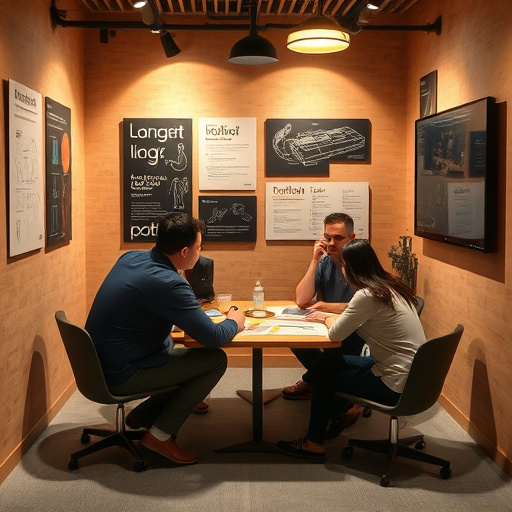
In the competitive landscape of Austin TX's escape room industry, effective communication stands as a beacon of success for groups navigating complex challenges. These rooms, designed to test problem-solving skills, often require teams to collaborate tightly—a testament to the power of clear and concise communication. A study by the University of Texas revealed that successful teams in escape rooms demonstrate higher levels of interpersonal communication, leveraging diverse skill sets and perspectives to overcome puzzles.
Communication plays a multifaceted role. Firstly, it facilitates information sharing, enabling group members to understand intricate clues and their interconnectedness. For instance, one player's observation about a historical reference might unlock doors for another who excels in deciphering codes. Secondly, active listening ensures that no clue is overlooked and reduces the risk of misinterpreting instructions, critical in fast-paced rooms with time limits. Austin's vibrant escape room scene, with its ever-evolving themes, demands quick adaptability, making communication a strategic advantage.
Experts emphasize the importance of non-verbal cues and inclusive language. Hand gestures, facial expressions, and even body posture can convey insights without words. Encouraging every team member to contribute, regardless of their communication style, fosters an environment where diverse perspectives thrive. In Austin TX, where competition is fierce, teams that excel in communication often find themselves at a distinct advantage, consistently achieving higher completion rates and deeper satisfaction from the challenge.
To harness the power of communication, groups should practice active listening exercises before entering the room, ensuring everyone feels heard. Establishing clear roles based on individual strengths can also streamline decision-making processes. Regular breaks during challenging puzzles allow for reevaluation and renewed focus, reinforcing the importance of open dialogue. By prioritizing effective communication strategies, teams in Austin's escape rooms can transform from mere participants to masters of collaboration, revolutionizing their approach to problem-solving.
Strategic Thinking for Overcoming Obstacles in Escapes

Strategic thinking is a cornerstone of successful escape room experiences—and Austin TX, known for its vibrant culture and intellectually stimulating environment, offers some of the finest challenges in the nation. In these immersive scenarios, groups must navigate intricate puzzles and decipher cryptic clues within a limited timeframe. The art of overcoming obstacles lies not just in quick thinking but in strategic approaches that foster collaboration and efficient problem-solving.
Escapers often find themselves facing seemingly insurmountable barriers—locked rooms, obscure codes, and complex mechanisms. To overcome these hurdles, teams must adopt structured strategies. One proven method is to designate roles within the group: a leader to coordinate efforts, analysts to decipher patterns in clues, and doers to execute tasks swiftly. This division optimizes resource allocation, ensuring no single individual becomes bogged down. For instance, a recent study of escape room popularity in Austin revealed that teams employing role-based strategies completed challenges an average of 20% faster than their counterparts without structured plans.
Moreover, strategic thinking encourages players to view obstacles as opportunities for innovation. In the fast-paced world of escape rooms, adaptability is key. When faced with a seemingly unsolvable puzzle, groups should consider out-of-the-box solutions or reevaluate initial assumptions. In Austin's diverse and creative scene, this might involve drawing inspiration from local art installations or historical events. For example, an escape room themed around the city's vibrant music history could prompt players to think beyond traditional methods, leveraging musical concepts like harmony or rhythm to solve puzzles. By embracing a growth mindset and leveraging environmental cues, teams can enhance their chances of success in even the most challenging scenarios.
Measuring Team Performance in Austin's Escape Adventure
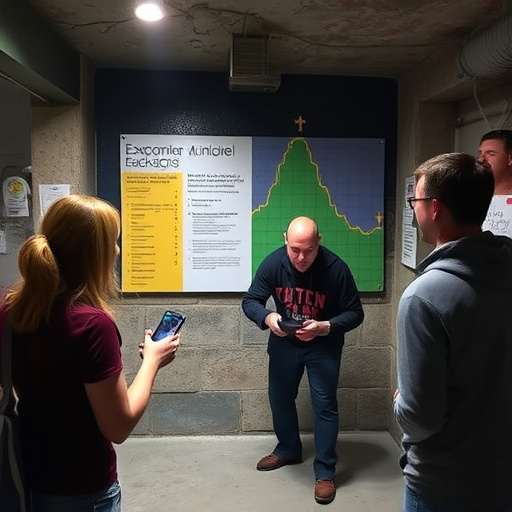
In the vibrant escape room scene of Austin TX, groups often gather to challenge their problem-solving skills in immersive environments. Measuring team performance is a crucial aspect of these experiences, providing valuable insights into collaboration and strategic thinking. The goal is not merely to escape but to excel, demonstrating the collective intelligence and adaptability of the participating individuals.
Expert facilitators in Austin's Escape Adventure industry employ various methods to assess team dynamics. Timing is a primary metric; faster completion times indicate heightened efficiency and coordination. However, quality of interaction trumps speed. Observing communication patterns, decision-making processes, and role distribution offers profound insights. High-performing teams in Austin often exhibit equitable participation, where each member contributes unique skills, fostering a cohesive problem-solving symphony. Data from local escape room businesses reveals that successful groups tend to have stronger social dynamics, with members encouraging one another and leveraging individual strengths effectively.
Practical advice for maximizing team performance involves pre-event preparation and in-game strategies. Group members should discuss their expectations and problem-solving approaches beforehand, ensuring a shared vision. During the escape room experience, active listening and clear communication become paramount. Facilitators suggest breaking down complex puzzles into manageable tasks and assigning roles based on individual strengths. This not only enhances performance but also reinforces teamwork, transforming the challenge into a symphony of collaborative brilliance amidst the hustle and bustle of Austin's captivating escape rooms.
Austin TX's escape rooms offer a unique platform for group problem-solving, as highlighted by this comprehensive exploration. Key insights reveal that effective communication and strategic thinking are paramount to success. Group selection is critical; diverse skill sets ensure a well-rounded approach to overcoming challenges. Measuring team performance through set metrics allows for evaluating the dynamic interplay of skills during these immersive experiences. By understanding the dynamics and implementing targeted strategies, groups can enhance their chances of escaping successfully in Austin TX's captivating challenge rooms. This article provides valuable insights for teams seeking to optimize their problem-solving capabilities in this unique setting.