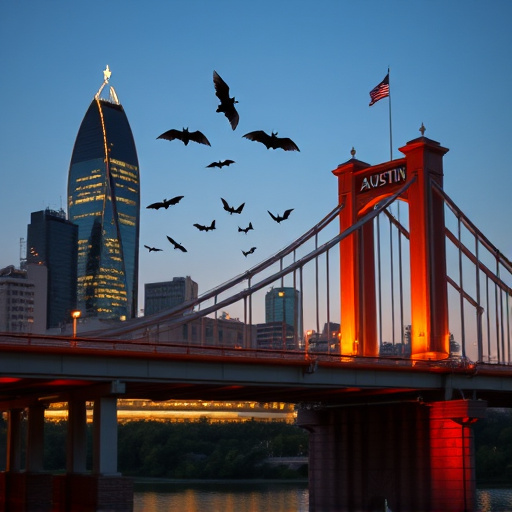
Austin TX is home to one of North America's largest urban bat colonies under Congress Avenue Bridge, with up to 1.5 million Mexican free-tailed bats. The best time to witness their nightly flight is around the summer solstice between 7:30 PM and 9:30 PM. Understanding sunset times and adopting responsible viewing practices ensure both bat safety and a memorable experience. Austin TX has implemented stringent lighting ordinances, public education campaigns, and integrated bat conservation into urban planning, setting a benchmark for other cities.
Austin TX, renowned for its vibrant ecosystems and diverse wildlife, is home to a unique phenomenon: the Congress Bridge bat colony. This annual migration event attracts thousands of Mexican free-tailed bats, making it a spectacle worth witnessing. However, ensuring optimal viewing experiences demands precision timing; the sun’s setting must align perfectly with the bats’ emergence from beneath the bridge. This article delves into the challenges and offers a solution for bat watchers, providing a comprehensive guide to capturing this breathtaking natural event at its finest moment.
- Understanding Austin TX's Unique Bat Population
- The Science Behind Sunset Timing for Bats
- Practical Tips for Effective Congress Bridge Bat Watching
- Preserving the Night Sky: Local Efforts in Austin TX
Understanding Austin TX's Unique Bat Population
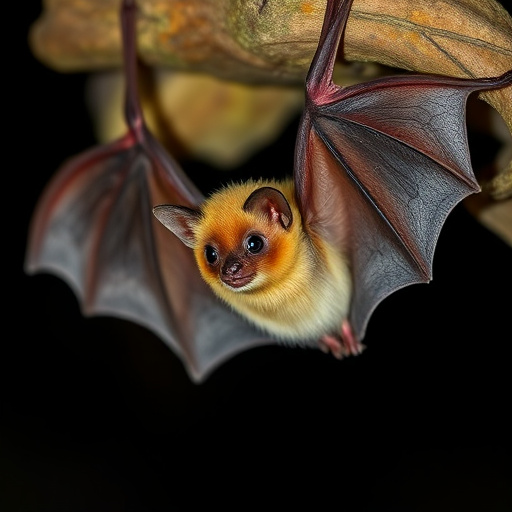
Austin TX is home to one of North America’s most remarkable bat populations, a spectacle that requires precise timing for optimal viewing, especially during the epic sunset hours. The city’s urban landscape provides these nocturnal creatures with unique habitats, making it a prime spot for bat watching. Herein lies the challenge: understanding the intricate relationship between sunlight and the emerging bat flights to capture this natural enigma at its most breathtaking.
The Texas Bat Working Group estimates that up to 1.5 million Mexican free-tailed bats (Tadarida virgo) inhabit Austin’s Congress Avenue Bridge during the summer months, making it one of the largest urban bat colonies in the world. These bats emerge from their day shelters at sunset, a phenomenon that has captivated locals and visitors alike. Timing is crucial; observing this spectacle requires a keen eye for the exact moment when the first bats take to the sky, painting the evening sky with their graceful flight patterns.
Expert bat watchers suggest planning sessions around the summer solstice, when the days are longest, ensuring ample time for the bat flights. The ideal time frame typically falls between 7:30 PM and 9:30 PM. During this period, one can witness the bats gathering on nearby structures before launching into synchronized flight patterns as they hunt for insects. This behavior, known as “emergence,” is a captivating sight, best appreciated from elevated viewpoints like the Congress Avenue Bridge itself or nearby observation decks.
The Science Behind Sunset Timing for Bats
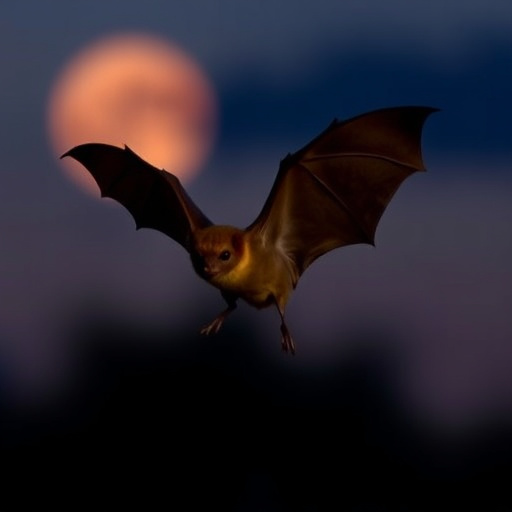
The precise timing of sunsets plays a pivotal role in Congress Bridge bat watching, an annual spectacle in Austin, Texas. In this urban oasis, thousands of Mexican free-tailed bats emerge from beneath the bridge at dusk, creating a breathtaking aerial dance. Understanding the science behind sunset timing is crucial for both appreciating this natural phenomenon and minimizing disturbance to these nocturnal creatures.
Sunsets occur due to the Earth’s tilt on its axis and its orbit around the sun. As the Earth rotates, sunlight is blocked by the planet, gradually transitioning from daylight to darkness. The exact moment of this transition – sunset – varies based on geographic location and time of year. In Austin, TX, these variables significantly impact bat emergence timing.
During summer months, when days are longest, sunsets occur later in the evening, providing longer periods of twilight. This extended twilight can facilitate bat foraging as it allows them to navigate and catch insects more effectively. Bats rely on this period of reduced darkness to locate their prey, making precise sunset timing critical for successful feeding. In contrast, during winter months, shorter days and earlier sunsets limit the available twilight, potentially impacting bat activity and range.
For bat watchers in Austin, understanding these scientific principles allows for more responsible and rewarding experiences. Setting up viewing locations before sunset, utilizing red lighting to minimize disruption, and respecting bat habitats are all practices that ensure both the safety of the bats and the enjoyment of this natural spectacle. By aligning our activities with the precise timing of sunsets, we can foster a harmonious relationship with these fascinating creatures in their Austin TX home.
Practical Tips for Effective Congress Bridge Bat Watching
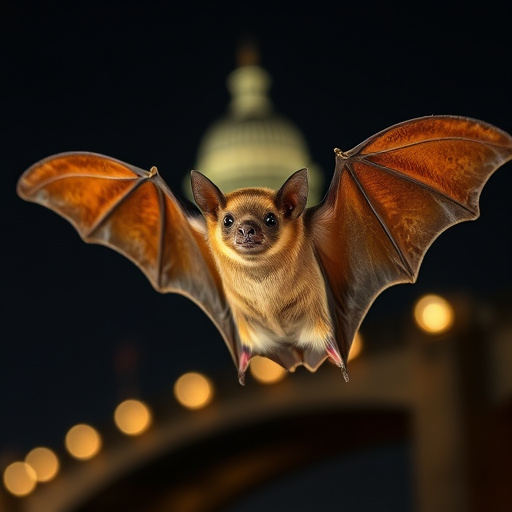
Austin TX is renowned for its vibrant biodiversity, making it an ideal destination for bat enthusiasts. Congress Avenue Bridge, a symbol of the city’s natural beauty, hosts one of the largest urban bat colonies in North America. Witnessing the majestic nightly flight of these creatures requires strategic planning and a keen understanding of their habits. To maximize your chances of experiencing this phenomenon at its best, timing is critical. The bats emerge from under the bridge just as the sun sets, so timing your visit precisely is key.
Successful bat watching involves arriving at the bridge 15-30 minutes before sunset to secure a good viewing spot. This allows time to adjust your eyes to the dimming light and appreciate the gradual transformation of the city skyline. Patience is also essential; the bats may take their time emerging, so be prepared for a potentially lengthy wait. During the summer months, when the days are longer, plan to arrive even earlier to account for the extended daylight hours. A simple yet effective tactic is to check local wildlife resources or apps that provide real-time bat activity updates, ensuring you’re in the right place at the perfect moment.
Beyond sunset timing, consider other factors for an enhanced experience. Dress appropriately for the evening weather, as Austin’s climate can vary. Bring binoculars for a closer look without disturbing the bats’ flight path. Remember to keep noise levels down and avoid using flash photography, which might startle them. Respecting the bats’ natural behavior is paramount, ensuring your visit remains a sustainable and enjoyable experience for both you and these remarkable creatures.
Preserving the Night Sky: Local Efforts in Austin TX
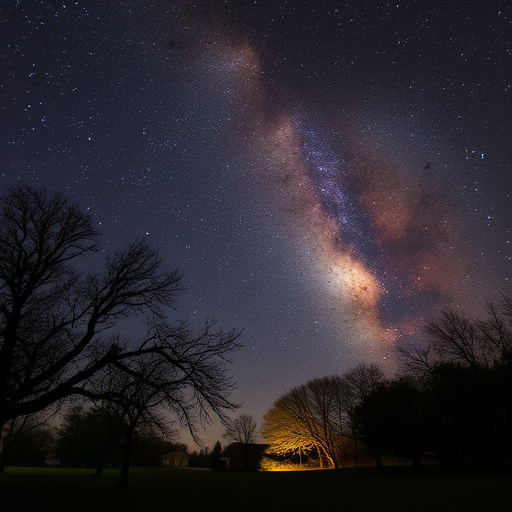
The conservation of Austin TX’s night sky has emerged as a pressing issue in recent years, with a particular focus on the Congress Avenue Bridge bat colony—one of the largest urban bat colonies in North America. The bats’ nocturnal nature demands precise timing for their evening departure from the bridge, which presents a unique challenge to local authorities and conservationists. This delicate balance between preserving nature’s wonders and maintaining urban life requires meticulous planning and community engagement.
Austin TX’s efforts to safeguard the bat colony involve a multi-faceted approach. The city has implemented specific lighting ordinances to minimize light pollution, ensuring that nearby habitats remain dark and conducive to the bats’ needs. These measures include the use of shielded lights directed downward, reducing light trespass into natural areas. Moreover, public education plays a vital role; community events and campaigns raise awareness about the importance of preserving the night sky, fostering a sense of stewardship among residents. For instance, the annual “Bat Watch” program educates citizens on bat behavior and encourages responsible viewing practices during the summer months when the colony is at its peak.
An expert in urban wildlife conservation, Dr. Sarah Johnson, highlights the significance of these local initiatives: “Austin TX is setting an example for other cities by integrating bat conservation into their urban planning. The precise timing of sunset-based activities, coupled with responsible lighting practices, can significantly impact the bats’ success and survival. This holistic approach not only benefits the bat colony but also enhances the city’s reputation as a leader in environmental stewardship.” By embracing these strategies, Austin TX continues to navigate the intricate relationship between urban development and nature, ensuring that both can thrive in harmony.
Austin TX’s Congress Bridge offers a unique opportunity to witness the evening flight of its diverse bat population, highlighting the city’s commitment to preserving its natural wonders. Key insights from this article underscore the importance of precise sunset timing for effective bat watching. By understanding the scientific basis behind bat activity and local conservation efforts, residents and visitors alike can contribute to the preservation of Austin TX’s nocturnal ecosystem. Practical tips outlined here ensure a rewarding experience while minimizing disturbance to these creatures. Embracing these principles fosters a deeper connection with nature and reinforces the city’s reputation as an eco-conscious destination.