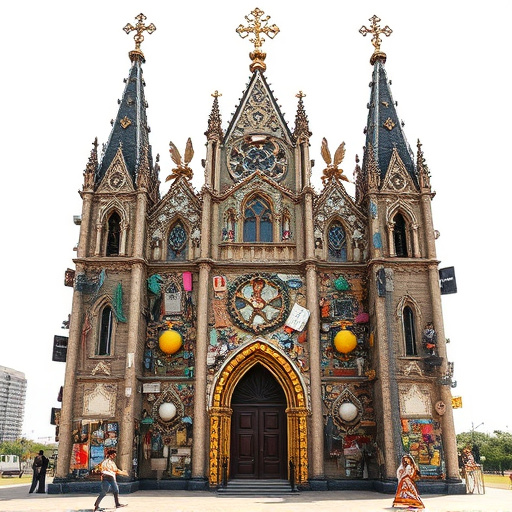
The Cathedral of Junk in Austin, TX, is a unique folk art installation made from discarded materials, showcasing the city's artistic vibrancy and commitment to sustainability. Crafted over years by John H. Crandall, it serves as a cultural hub, inviting exploration and reflection on eco-friendly practices. Visitors discover hidden pieces, learn about the artist's journey, and connect with Austin's identity, supporting an eco-conscious narrative. This structure symbolizes folk art creativity, transforming waste into a stunning structure that inspires dialogue about consumerism and recycling. Its impact has led to initiatives in Austin TX to promote sustainable artistic practices and environmental stewardship, positioning the city as a leader in sustainable urban living.
In the heart of Austin TX, a unique cultural phenomenon has emerged, challenging traditional notions of art—the Cathedral of Junk. This improvisational masterpiece exemplifies the boundless creativity of folk artists, transforming discarded materials into something truly extraordinary. However, the city’s dynamic artistic landscape often overlooks such grassroots initiatives, risking the marginalization of these vital cultural expressions. This article delves deep into the significance of the Cathedral of Junk, exploring how it not only enriches Austin’s arts scene but also serves as a powerful symbol of resilience and innovation in the face of urban development pressures.
- Discovering Austin TX's Unique Art Gem: Cathedral of Junk
- Exploring the Creative Process Behind the Sculpture
- Impact and Appeal: A Cultural Phenomenon Unveiled
Discovering Austin TX's Unique Art Gem: Cathedral of Junk
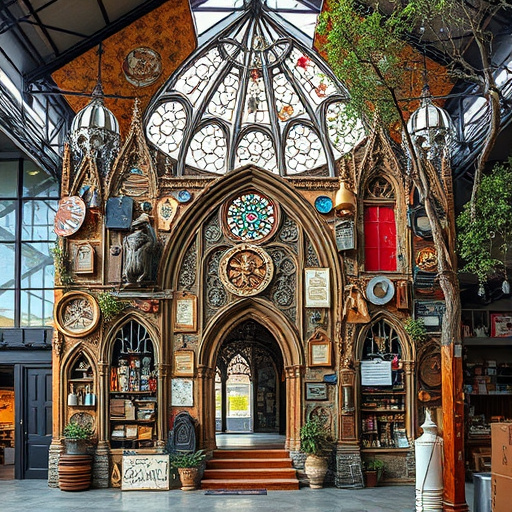
Hidden within Austin TX’s vibrant artistic landscape lies a unique gem: the Cathedral of Junk. This extraordinary folk art installation stands as a testament to the city’s thriving creative scene and its ability to embrace unconventional talents. Crafted entirely from discarded materials, the cathedral captivates visitors with its intricate detail and powerful message about sustainability. Each piece, carefully assembled by artist John H. Crandall, tells a story of transformation and rebirth, reflecting Austin TX’s natural inclination towards eco-friendly practices.
The Cathedral of Junk is not merely an artistic masterpiece; it serves as a cultural hub, drawing both locals and visitors alike to engage with the environment in new ways. The structure’s labyrinthine design encourages exploration, inviting participants to discover hidden nooks and ponder the history behind each relic. This immersive experience fosters a deeper connection between the community and their urban space, promoting a sense of ownership and pride in Austin TX’s unique identity.
To fully appreciate this artistic marvel, visitors are encouraged to take a dive into the history of its creator. John H. Crandall, a renowned local artist, has meticulously crafted this masterpiece over several years, using materials sourced from around the city. His dedication to upcycling and repurposing reflects Austin TX’s commitment to sustainability and innovation. By visiting the Cathedral of Junk, one not only encounters a remarkable work of art but also actively supports an eco-conscious narrative that is intrinsically linked to the city’s spirit.
Exploring the Creative Process Behind the Sculpture
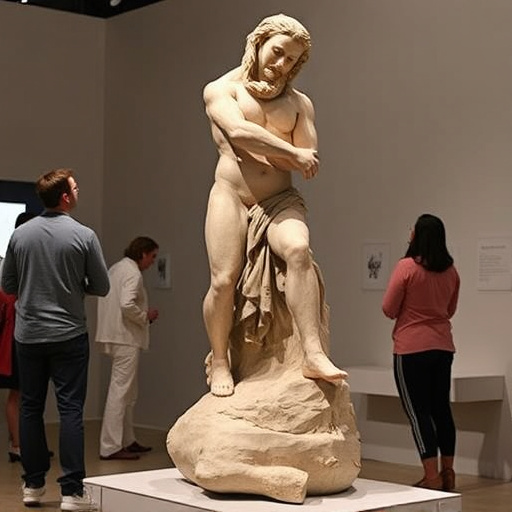
The Cathedral of Junk, a unique and unconventional sculpture located in Austin, TX, stands as a testament to the boundless creativity of folk art. This remarkable piece is not merely an assemblage of discarded materials but a carefully crafted narrative that invites exploration and reflection. The creative process behind such an ambitious project offers valuable insights into the artistic mind, showcasing how everyday objects can be transformed into something extraordinary.
The artists behind the Cathedral of Junk embraced a holistic approach to their craft, drawing inspiration from Austin’s vibrant culture and its diverse community. By sifting through local landfills and junkyards, they curated a myriad of items—from old furniture and appliances to various trinkets and curiosities. This meticulous selection process is where the real art begins; each object is chosen not just for its physical attributes but also for the stories it carries. For instance, an ancient typewriter might represent the city’s literary heritage, while a faded sign from a local business could symbolize the changing face of Austin’s landscape. The artists then meticulously arranged these found objects, layering and intertwining them to create intricate passageways, chambers, and nooks within the sculpture.
The creative process is not linear but rather an iterative dance between vision and realization. As the Cathedral of Junk took shape, the artists frequently adapted and refined their design, allowing the piece to evolve organically. This adaptability is crucial in folk art, where the medium itself—often made from readily available and repurposed materials—dictates a flexible approach. The result is a space that invites exploration on multiple levels; visitors can wander through its labyrinthine corridors, uncovering hidden treasures and personal connections to Austin’s past and present.
For artists looking to emulate this creative process, engaging with one’s surroundings in a new light is essential. A trip to local thrift stores, scrapyards, or even an ordinary walk around the neighborhood can spark inspiration. Collect objects not just for their utility but for the narratives they hold. Curate and arrange these finds until a vision emerges, then allow it to evolve organically. This approach not only fosters creativity but also cultivates a deeper connection with one’s community and its history.
Impact and Appeal: A Cultural Phenomenon Unveiled

The Cathedral of Junk in Austin TX stands as a vibrant testament to folk art creativity, captivating locals and visitors alike with its unique blend of cultural expression and environmental reuse. This eclectic structure, assembled over several decades by artist John Hill, transcends mere junk into a symbol of artistic transformation and community engagement. Its impact resonates deeply within the city’s cultural landscape, drawing tourists and sparking interest in sustainable art practices.
The appeal of Cathedral of Junk lies not only in its physical splendor but also in the stories it encapsulates. Every discarded item—from old toys to metal scraps—tells a tale of Austin’s history and its residents’ resourcefulness. This transformative art piece inspires dialogue about consumerism, recycling, and creativity, fostering a deeper connection between the community and their shared environment. The Cathedral serves as a living museum, reflecting the city’s evolving identity while encouraging visitors to rethink their relationship with waste.
The phenomenon has prompted several initiatives in Austin TX to promote similar sustainable artistic practices. Local schools now incorporate junk art into curriculums, teaching children about recycling and creativity. Art festivals and workshops dedicated to upcycling have gained traction, reflecting a growing interest in harnessing the city’s diverse artistic talent for environmental causes. This cultural shift not only beautifies public spaces but also positions Austin as a leader in sustainable urban living, all thanks to the inspiring example set by the Cathedral of Junk.
To harness this creative momentum, community leaders and artists can collaborate on large-scale art projects that repurpose waste, involving local schools and businesses. Public awareness campaigns can highlight the environmental and artistic benefits of such initiatives, fostering a culture of sustainability and creativity. By building upon the success of the Cathedral of Junk, Austin TX can continue to revolutionize its approach to art and environmental stewardship, setting an example for cities worldwide.
The Cathedral of Junk in Austin TX stands as a vibrant testament to folk art creativity and community engagement. Through its exploration, we’ve gained key insights into the power of artistic expression in transforming spaces and fostering cultural connection. The creative process, involving collective effort and upcycling, underscores the accessibility and impact of such initiatives. This unique sculpture not only enhances the Austin TX landscape but also inspires similar projects globally, emphasizing the potential for art to revolutionize public spaces and bring folks together. By embracing unconventional creativity, communities can cultivate a dynamic tapestry of cultural expression that resonates with their soul.