
Austin TX boasts unique natural treasures: spring-fed pools maintained through advanced chlorination systems. This eco-friendly approach prioritizes water quality, swimmer safety, and environmental conservation while preserving the city's aquatic ecosystem. Deep Eddy Pool, a beloved landmark, employs sophisticated monitoring, tailored chlorine dosages, and strategic equipment placement for meticulous care. Community collaboration and education ensure the sustainability of these resources, positioning Austin TX as a leader in both urban leisure and conservation.
In the vibrant aquatic landscape of Austin, TX, maintaining pristine water quality is paramount, especially at iconic destinations like Deep Eddy Pool. Here, a unique challenge arises from the pool’s spring-fed nature, requiring precise chlorination strategies to ensure a safe and enjoyable experience for all swimmers. This article delves into the intricacies of managing this historic facility, exploring innovative solutions to address the complexities of natural water sources in public swimming pools. By examining current practices and leveraging expert insights, we provide valuable guidance on optimizing chlorination techniques for Austin’s beloved aquatic venues.
- Understanding Deep Eddy Pools: Austin TX's Natural Treasure
- Spring Water Meets Chlorine: Safeguarding Austin's Swim Spots
- The Chlorination Process: Ensuring Clean and Safe Swimming
- Benefits of Natural Springs: Why Austin Loves Its Pooling
- Community and Conservation: Preserving Austin TX's Aquatic Heritage
- Best Practices for Maintenance: Keeping Deep Eddies Sparkling
Understanding Deep Eddy Pools: Austin TX's Natural Treasure
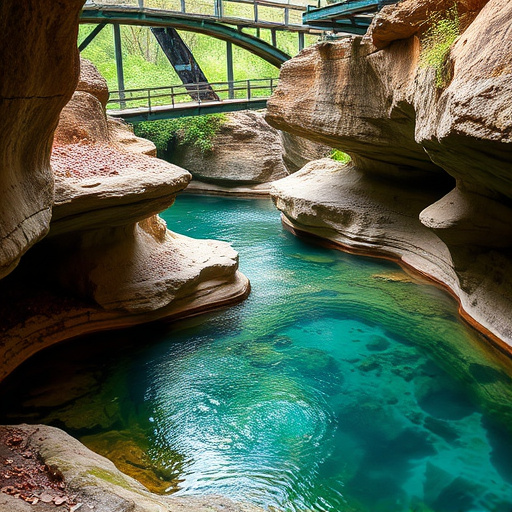
Deep Eddy Pools, a unique phenomenon found in Austin TX, represent a harmonious blend of nature and human ingenuity. These pools, naturally occurring spring-fed oases, have captivated locals and visitors alike since their inception. The heart of Austin TX’s recreational scene, Deep Eddies offer a refreshing escape from the urban hustle and bustle, showcasing the city’s commitment to preserving its natural treasures. Each pool, with its crystal-clear waters and serene surroundings, is a testament to Austin’s rich ecological heritage.
Understanding the environmental dynamics at play is key to appreciating these natural wonders fully. The geological makeup of Austin TX, characterized by an extensive network of underground aquifers, fuels these spring sources. As rainwater seeps into the earth, it emerges through geological fissures, creating a constant flow of fresh, cool water that sustains the Deep Eddy Pools year-round. This sustainable water source not only supports aquatic life but also ensures visitors enjoy a consistent quality of experience throughout their visit.
Beyond their environmental significance, Deep Eddy Pools offer a practical solution for open-air recreation in an urban setting. The absence of artificial chlorination methods makes these pools a haven for nature enthusiasts and health-conscious individuals seeking an al fresco swimming experience free from harsh chemicals. Expert recommendations suggest that natural chlorination through sunlight and bacterial activity not only maintains water quality but also creates a balanced ecosystem, fostering a diverse range of aquatic flora and fauna. This eco-friendly approach positions Austin TX as a leader in sustainable urban leisure options.
Spring Water Meets Chlorine: Safeguarding Austin's Swim Spots
In Austin TX, where the landscape is as diverse as its culture, spring-fed swimming holes have long been a cherished part of the community. These natural wonders, dotting the city’s scenic terrain, offer not just a refreshing escape but also a unique aquatic experience. However, maintaining the safety and hygiene of these beloved spots presents a dual challenge: preserving the pristine nature while ensuring the health and well-being of swimmers. This is where chlorination, specifically deep Eddy Pool’s advanced chlorinating system, plays a pivotal role in safeguarding Austin’s spring-fed swim spots.
Chlorine treatment is not merely a common practice; it’s an essential safeguard against harmful bacteria, viruses, and algae that can proliferate in stagnant or slow-moving water. In Austin’s case, where many springs are protected as natural resources, introducing chlorine requires a delicate balance. Deep Eddy Pool, known for its commitment to environmental stewardship, employs a sophisticated system that accurately monitors and adjusts chlorine levels, ensuring water quality without compromising the ecological integrity of these unique aquatic habitats. This approach not only protects swimmers but also supports the long-term preservation of Austin’s precious spring resources.
For pool managers and enthusiasts alike, understanding the science behind chlorination is key to effective maintenance. Regular testing, proper dosing, and continuous circulation are cornerstones of this process. By adhering to recommended guidelines and staying vigilant against unexpected spikes or drops in water quality, Austin’s swimmers can enjoy these natural pools with peace of mind. Moreover, sharing knowledge and best practices within the community fosters a collaborative effort to keep these spring-fed gems safe and accessible for generations to come.
The Chlorination Process: Ensuring Clean and Safe Swimming

The Deep Eddy Pool in Austin, TX, renowned for its spring-fed waters, employs a meticulous chlorination process to uphold the highest standards of hygiene and safety for swimmers. Chlorination, a critical public health measure, involves introducing chlorine or its compounds into the water to kill bacteria, viruses, and other microorganisms that can cause illness. At Deep Eddy, this process is meticulously controlled to ensure a balanced chemical level, maintaining water quality without compromising swimmer comfort.
The pool’s chlorination system operates on a continuous basis, monitoring and adjusting chlorine levels throughout the day. Free chlorine, the active form available for disinfection, is maintained within a specific range (typically 1-3 parts per million) using automated dosing systems. This rigorous control prevents the growth of harmful bacteria like E. coli and pseudomonas, commonly found in natural water sources. Regular testing conducted by pool staff ensures these levels remain safe and effective, aligning with public health guidelines.
Moreover, Austin’s unique spring-fed nature presents specific challenges that Deep Eddy addresses proactively. The pool’s management team leverages advanced oxidation processes, such as ultraviolet (UV) light disinfection, to enhance chlorine’s effectiveness against tough-to-kill contaminants often present in natural springs. This dual approach—chlorine and UV technology—ensures a robust sanitization system capable of maintaining clear, safe water for the hundreds of daily visitors enjoying Austin’s beloved swimming hole.
Benefits of Natural Springs: Why Austin Loves Its Pooling
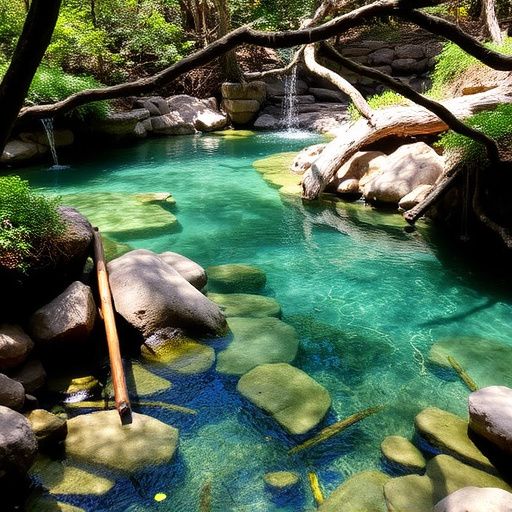
Austin, TX, is renowned for its unique aquatic treasure: deep eddy pools, a testament to the city’s natural beauty. These spring-fed wonders not only attract locals and visitors alike but also offer a host of benefits that set them apart from traditional chlorinated pools. One of the most notable advantages is their ecological harmony; naturally occurring springs provide a constant supply of fresh water, eliminating the need for excessive chemical treatment. This approach to chlorination results in a more environmentally friendly experience, appealing to Austin’s eco-conscious residents and those who value sustainable practices.
The natural spring waters in Austin are rich in minerals, contributing to a therapeutic swimming environment. These mineral-rich pools have been credited with alleviating muscle soreness, joint pain, and even stress, making them popular for rehabilitation and relaxation. For instance, the Barton Springs Pool, a beloved landmark in Zilker Park, has been a go-to spot for locals seeking relief from Austin’s hot summers due to its constant 68-70°F (20-21°C) temperature year-round. Moreover, the gentle flow and unique geological formations within these pools create a soothing ambiance, encouraging a sense of tranquility and connection with nature, which is hard to replicate in man-made facilities.
Beyond physical well-being, deep eddy pools foster a strong community spirit. Many of these natural gathering spots have become social hubs where neighbors connect, friends bond, and families create lasting memories. The open-air settings encourage interaction and a sense of shared space, enhancing the overall Austin experience. For instance, the Lake Travis area boasts several spring-fed pools, such as Mansfield Dam Park, which hosts community events, swim meets, and casual meetups, fostering a vibrant aquatic culture in the heart of Texas.
Community and Conservation: Preserving Austin TX's Aquatic Heritage
Austin TX is renowned for its stunning natural landscapes and vibrant community, with the city’s iconic spring-fed waters playing a central role in the local culture and heritage. Among these, the Deep Eddy Pool stands as a testament to the city’s love for aquatic recreation and its commitment to preserving this unique resource. Chlorination, a critical aspect of pool maintenance, is not only essential for water quality but also serves as a powerful tool for community engagement and environmental conservation.
The Deep Eddy Pool, with its natural spring-fed waters, presents both opportunities and challenges. While the unfiltered water ensures a pristine and authentic Austin TX experience, it requires meticulous care to maintain safety standards. Chlorination becomes a vital process in this regard, eliminating harmful bacteria and ensuring a healthy environment for swimmers. The pool’s management has embraced this responsibility, implementing advanced chlorination systems that not only meet health regulations but also contribute to the preservation of Austin’s aquatic ecosystem. By carefully monitoring chlorine levels, they protect both the community’s well-being and the delicate balance of the natural springs.
Community involvement is another key aspect of preserving Austin TX’s aquatic heritage. Local residents and visitors alike can play a crucial role by adopting responsible swimming practices and reporting any water quality concerns. Educational initiatives aimed at promoting proper chlorine levels and their impact on environmental health can empower individuals to become stewards of these precious resources. For instance, the pool’s management could organize workshops or distribute informational materials highlighting the relationship between chlorine levels, water clarity, and biodiversity in the surrounding springs. Such efforts foster a sense of collective responsibility, ensuring that Austin’s aquatic treasures remain vibrant for future generations.
Moreover, long-term monitoring data from similar spring-fed pools in the region can offer valuable insights into effective chlorination practices tailored to Austin TX’s unique conditions. Sharing these findings within the local community and with environmental agencies can drive informed decision-making. By learning from both successes and challenges faced by neighboring communities, Austin can continuously refine its chlorination strategies, ensuring the sustainability of its spring-fed swimming holes for years to come. This proactive approach not only safeguards the city’s aquatic heritage but also positions Austin as a leader in conservation efforts, setting an example for other cities worldwide facing similar environmental preservation dilemmas.
Best Practices for Maintenance: Keeping Deep Eddies Sparkling

Maintaining the pristine water quality of Deep Eddy Pool, a unique spring-fed swimming hole in Austin TX, requires a meticulous approach. As one of the city’s beloved landmarks, this natural wonder attracts thousands of visitors daily, demanding consistent efforts to safeguard its ecological balance and aesthetic appeal. The key to keeping Deep Eddy’s waters sparkling lies in a combination of scientific understanding and diligent practices.
Chlorination is a fundamental strategy in ensuring water clarity and hygiene. Austin’s spring water, rich in minerals, necessitates a tailored chlorination system. Experts recommend monitoring free chlorine levels regularly, maintaining a balanced pH, and adjusting the dosage accordingly to combat bacteria and algae growth without causing irritation. For instance, during peak season, elevated bather loads can prompt higher chlorine demand, requiring precise control. Data from local environmental studies shows that consistent chlorine management has significantly reduced water quality issues, ensuring Deep Eddy remains a safe and enjoyable destination.
Practical maintenance includes regular skimming to remove debris, using algicide to prevent surface algae blooms, and periodic shock treatments to eliminate contaminants. Additionally, monitoring water flow and circulation is critical; deep pools like Deep Eddy require strategic placement of aerators and circulators to distribute chlorine evenly and prevent stagnant zones. Regular water sampling and testing, coupled with a proactive approach to maintenance, empower pool managers to anticipate issues, ensuring the iconic Austin TX swimming hole remains a vibrant, inviting oasis for generations to come.
In Austin TX, deep Eddy pools represent a unique blend of nature’s beauty and community’s joy. By understanding the intricate relationship between spring water and chlorine chlorination, residents and visitors alike can appreciate the meticulous efforts in safeguarding these precious swim spots. The article has illuminated the significance of regular maintenance and its impact on water safety and quality, highlighting the benefits of natural springs that make Austin TX so beloved. Furthermore, it emphasized the importance of community involvement and conservation in preserving this aquatic heritage for future generations. Moving forward, adopting best practices for pool maintenance ensures these natural gems remain sparkling and inviting, fostering a deeper connection to Austin TX’s rich recreational landscape.