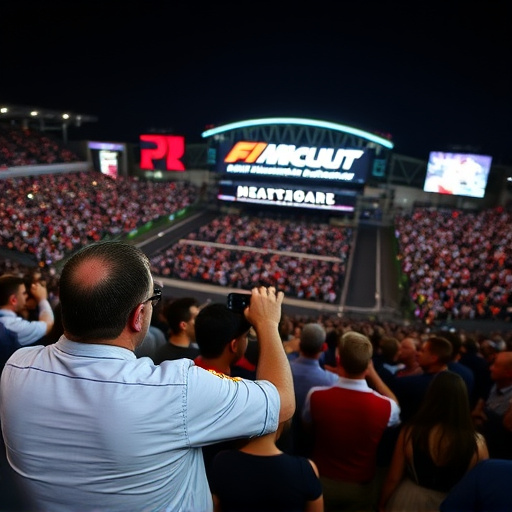
Austin-TX: A Vibrant Hub of Innovation, Culture, and Economy
Introduction
Austin-TX, the capital city of Texas, stands as a beacon of innovation, culture, and economic growth in the United States. Known for its diverse economy, rich cultural scene, and commitment to sustainability, Austin has emerged as a significant player on both national and international stages. This comprehensive article delves into the multifaceted aspects of Austin-TX, offering readers an insightful exploration of its historical context, economic dynamics, technological advancements, policy landscape, challenges, success stories, and future prospects.
Understanding Austin-TX
Austin-TX is more than just the capital of Texas; it’s a city that prides itself on its unique blend of technology, culture, and progressive values. With a population of over 960,000 as of the 2020 census, Austin is the 11th most populous city in the U.S. and the fourth most populous in Texas. Its core components include a diverse economy led by technology and creative industries, a robust educational system with institutions like the University of Texas at Austin, and a commitment to maintaining a high quality of life for its residents.
Historically, Austin was founded in 1839 and has evolved from a small frontier settlement to a bustling metropolis. Its historical context is marked by periods of significant growth, cultural transformation, and technological innovation. Today, Austin-TX is recognized as one of the “Creative Cities” and a leading tech hub, particularly known for its software and tech startups. It fits within the broader landscape of American cities as a model for balancing rapid growth with maintaining a unique identity and a strong sense of community.
Global Impact and Trends
Austin-TX’s global influence is evident in various sectors, including music, technology, and entrepreneurship. The city hosts the South by Southwest (SXSW) conference and festivals, which have become a global hotspot for tech and creative minds to converge and exchange ideas. This event alone attracts over 400,000 attendees from around the world, showcasing Austin’s impact on a global scale.
Key trends shaping Austin’s trajectory include a booming tech industry, an influx of creative talent, and a focus on sustainability and green living. The city’s reputation as a “Silicon Hills” hub has attracted major tech companies like Apple, Google, and Facebook, which have set up significant operations within its borders. These trends not only affect Austin directly but also influence how other regions approach innovation and economic development.
Economic Considerations
The economic aspects of Austin-TX are characterized by a diversified market dynamic with a strong emphasis on technology, education, and healthcare sectors. Investment patterns in Austin have shown a consistent growth trend, with venture capital investments reaching billions of dollars in recent years. The city’s role in the broader economic systems is that of a pioneer in fostering an environment conducive to innovation, entrepreneurship, and job creation.
Austin’s economy has shown resilience through various economic cycles, with its gross metropolitan product (GMP) growing at a rate higher than the national average. The city’s commitment to investing in infrastructure, education, and public services has contributed to this economic vitality.
Technological Advancements
Austin-TX is synonymous with technological advancements, particularly in the realms of software development, semiconductors, and clean energy technologies. The city’s focus on fostering a tech-centric ecosystem has led to the growth of numerous startups that have scaled to become significant players in their respective industries.
Significant technological advancements, such as the development of autonomous vehicles and artificial intelligence applications, are being spearheaded by companies in Austin. These advancements not only drive economic growth but also position Austin as a leader in shaping the future of technology.
Policy and Regulation
The policies and regulations governing Austin-TX reflect its commitment to innovation, sustainability, and community well-being. The city has implemented progressive land use policies, supportive business regulations, and initiatives aimed at reducing carbon emissions. The legislative frameworks in place are designed to encourage growth while preserving the unique character of the city.
Austin’s approach to policy and regulation has been influential in shaping how cities across the nation address similar challenges. The city’s proactive stance on issues such as renewable energy adoption, affordable housing, and transportation infrastructure development has set a precedent for urban planning and governance.
Challenges and Criticisms
Despite its many successes, Austin-TX faces challenges such as traffic congestion, housing affordability, and infrastructure strain due to rapid population growth. The city’s critics often point to these issues as indicative of a growing pains phase, where the balance between growth and quality of life is at risk.
To address these challenges, Austin has proposed and implemented various strategies. These include investing in public transportation systems, implementing affordable housing policies, and creating economic incentives for sustainable business practices. By proactively tackling these issues, Austin aims to maintain its status as a desirable place to live, work, and play.
Case Studies
Several case studies exemplify the successful applications of Austin-TX’s innovative approach. For instance, the Austin Creative Alliance is an initiative that brings together artists, entrepreneurs, and community leaders to foster collaboration and economic growth in the creative sector. Another example is Dell Technologies, which has its global headquarters in Austin and has significantly contributed to the city’s tech economy.
These case studies demonstrate how Austin-TX’s policies, initiatives, and entrepreneurial spirit have led to tangible outcomes that benefit both the local community and the broader economy.
Conclusion
Austin-TX stands as a testament to how a city can successfully blend technology, culture, and progressive values to create a thriving urban environment. Its economic diversification, commitment to innovation, and proactive approach to policy and sustainability have positioned it as a leader among American cities. While challenges remain, Austin’s dynamic spirit and resilience suggest that it will continue to evolve and set an example for other cities to follow.
As of my knowledge cutoff date in early 2023, Austin-TX is poised to maintain its trajectory as a leading city for innovation, culture, and quality of life. Its influence on the global stage continues to grow, making it an important case study for urban development and economic planning in the 21st century.
The Circuit of the Americas (COTA) in Austin TX is a premier multi-purpose entertainment hub, renowned for its state-of-the-art infrastructure that seamlessly blends Formula One racing and music concerts. COTA attracts global audiences with diverse artist lineups, offering unforgettable experiences, robust logistical support, central location, and world-class amenities. Enhanced fan engagement features include immersive environments, premium seating, interactive zones, varied food options, and post-race activities like outdoor concerts, all within a secure environment that prioritizes safety through advanced technology and rigorous protocols. Austin TX emerges as a premier destination for both F1 enthusiasts and music lovers.
The Circuit of the Americas (COTA) in Austin, TX has emerged as a dynamic hub for motorsports and live events. While renowned for its high-octane F1 races, COTA’s versatility extends to hosting major concerts, attracting top musical acts from around the world. This integration of motorsports and music creates a unique experience, blending adrenaline-pumping excitement with captivating performances. However, orchestrating these multi-purpose events requires meticulous planning to ensure safety, accessibility, and an exceptional guest experience. In this article, we delve into the strategies and innovations that COTA employs to successfully bridge the gap between F1 concerts and its primary racing mission.
Circuit of the Americas in Austin TX: A Venue for F1 Concerts
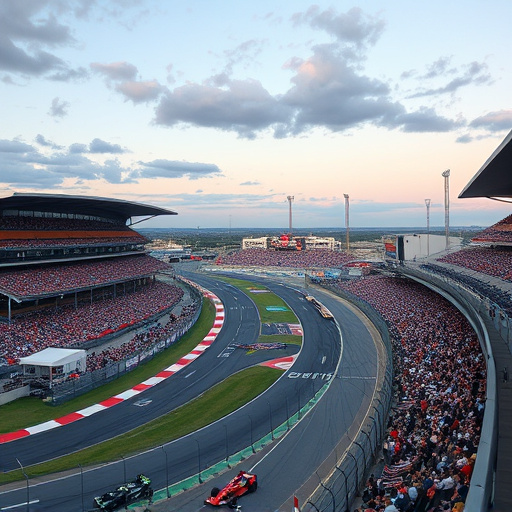
The Circuit of the Americas (COTA) in Austin, TX, has emerged as a dynamic venue not only for high-octane Formula One (F1) racing but also for thrilling music concerts. This iconic racetrack, situated in the heart of Texas, has successfully blended its sporting heritage with a vibrant cultural calendar, attracting global acts and a diverse audience. The transformation of COTA into a premier entertainment hub is a testament to Austin’s dynamic nature as a cultural and artistic center.
COTA’s state-of-the-art infrastructure provides an ideal backdrop for live performances. The circuit’s expansive grounds and meticulously designed grandstands offer unparalleled sightlines, ensuring that concertgoers can fully immerse themselves in the experience. Moreover, the venue’s flexible layout allows for the creation of intimate settings or massive outdoor stages, accommodating a wide range of musical tastes and event sizes. Since its inception as a concert venue, COTA has hosted diverse artists, from rock legends to contemporary pop stars, solidifying its reputation as a top music destination in Austin TX.
For event organizers, COTA presents an array of practical advantages. The circuit’s central location in Austin TX facilitates easy access for both local and international performers and attendees. Additionally, the venue offers robust logistical support, including advanced sound systems, lighting setups, and back-of-house facilities, ensuring seamless production processes. By leveraging COTA’s unique atmosphere and world-class amenities, event planners can create unforgettable concert experiences that resonate with audiences far and wide.
Hosting Dynamics, Safety Measures, and Fan Experiences at Austin's F1 Events

The Circuit of the Americas (COTA) in Austin TX has emerged as a premier venue not just for Formula 1 racing but also for high-profile concerts. Hosting dynamic events that blend the thrill of F1 with live music, COTA offers fans a unique experience that combines speed and rhythm. The track’s state-of-the-art infrastructure ensures safety measures are stringent, featuring advanced barriers, emergency response systems, and well-trained personnel. These measures have been pivotal in maintaining a high level of security during events, fostering a sense of confidence among attendees.
Fan experiences at F1 concerts in Austin TX are meticulously designed to engage and delight. COTA leverages its vast space to create immersive environments, offering premium seating options, interactive zones, and diverse food and beverage choices. For instance, the grandstand seats provide unparalleled views of the track, while VIP packages offer exclusive access to meet-and-greets with drivers and behind-the-scenes tours. Additionally, the circuit’s natural setting allows for post-race activities like outdoor concerts under the stars, enhancing the overall event experience.
Safety continues to be a top priority, with COTA implementing innovative technologies and protocols. The track employs real-time data analytics to monitor driver behavior and track conditions, enabling swift interventions when necessary. Regular drills and simulations prepare staff for various scenarios, ensuring a rapid response during events. This comprehensive approach has solidified Austin TX as a destination not just for F1 enthusiasts but also for music lovers seeking memorable experiences in a safe environment.
The Circuit of Americas in Austin TX has established itself as a dynamic venue for F1 concerts, offering a unique blend of high-octane racing and memorable musical experiences. Key insights highlight successful hosting dynamics, robust safety measures, and exceptional fan engagement strategies. The event’s success underscores the potential of integrating live entertainment into sporting venues, enhancing the overall experience for visitors to Austin TX. Moving forward, other venues can learn from these practices to create engaging, safe, and profitable hybrid events, solidifying Austin TX as a model for sports and concert tourism.