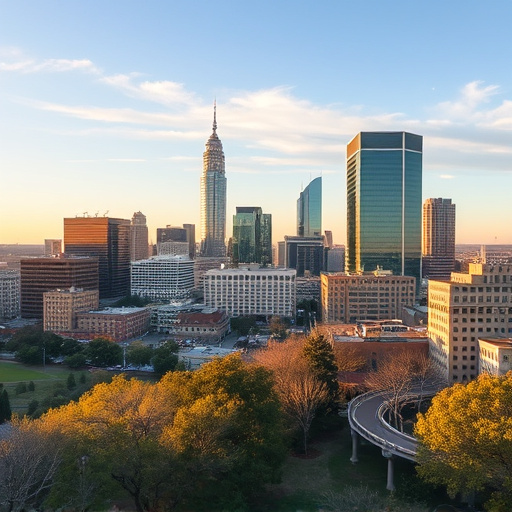
Austin-TX: A Vibrant Hub of Innovation, Culture, and Economy
Introduction
Austin-TX, the capital city of Texas, stands as a beacon of innovation, culture, and economic growth in the United States. Known for its diverse economy, rich cultural scene, and commitment to sustainability, Austin has emerged as a significant player on both national and international stages. This comprehensive article delves into the multifaceted aspects of Austin-TX, offering readers an insightful exploration of its historical context, economic dynamics, technological advancements, policy landscape, challenges, success stories, and future prospects.
Understanding Austin-TX
Austin-TX is more than just the capital of Texas; it’s a city that prides itself on its unique blend of technology, culture, and progressive values. With a population of over 960,000 as of the 2020 census, Austin is the 11th most populous city in the U.S. and the fourth most populous in Texas. Its core components include a diverse economy led by technology and creative industries, a robust educational system with institutions like the University of Texas at Austin, and a commitment to maintaining a high quality of life for its residents.
Historically, Austin was founded in 1839 and has evolved from a small frontier settlement to a bustling metropolis. Its historical context is marked by periods of significant growth, cultural transformation, and technological innovation. Today, Austin-TX is recognized as one of the “Creative Cities” and a leading tech hub, particularly known for its software and tech startups. It fits within the broader landscape of American cities as a model for balancing rapid growth with maintaining a unique identity and a strong sense of community.
Global Impact and Trends
Austin-TX’s global influence is evident in various sectors, including music, technology, and entrepreneurship. The city hosts the South by Southwest (SXSW) conference and festivals, which have become a global hotspot for tech and creative minds to converge and exchange ideas. This event alone attracts over 400,000 attendees from around the world, showcasing Austin’s impact on a global scale.
Key trends shaping Austin’s trajectory include a booming tech industry, an influx of creative talent, and a focus on sustainability and green living. The city’s reputation as a “Silicon Hills” hub has attracted major tech companies like Apple, Google, and Facebook, which have set up significant operations within its borders. These trends not only affect Austin directly but also influence how other regions approach innovation and economic development.
Economic Considerations
The economic aspects of Austin-TX are characterized by a diversified market dynamic with a strong emphasis on technology, education, and healthcare sectors. Investment patterns in Austin have shown a consistent growth trend, with venture capital investments reaching billions of dollars in recent years. The city’s role in the broader economic systems is that of a pioneer in fostering an environment conducive to innovation, entrepreneurship, and job creation.
Austin’s economy has shown resilience through various economic cycles, with its gross metropolitan product (GMP) growing at a rate higher than the national average. The city’s commitment to investing in infrastructure, education, and public services has contributed to this economic vitality.
Technological Advancements
Austin-TX is synonymous with technological advancements, particularly in the realms of software development, semiconductors, and clean energy technologies. The city’s focus on fostering a tech-centric ecosystem has led to the growth of numerous startups that have scaled to become significant players in their respective industries.
Significant technological advancements, such as the development of autonomous vehicles and artificial intelligence applications, are being spearheaded by companies in Austin. These advancements not only drive economic growth but also position Austin as a leader in shaping the future of technology.
Policy and Regulation
The policies and regulations governing Austin-TX reflect its commitment to innovation, sustainability, and community well-being. The city has implemented progressive land use policies, supportive business regulations, and initiatives aimed at reducing carbon emissions. The legislative frameworks in place are designed to encourage growth while preserving the unique character of the city.
Austin’s approach to policy and regulation has been influential in shaping how cities across the nation address similar challenges. The city’s proactive stance on issues such as renewable energy adoption, affordable housing, and transportation infrastructure development has set a precedent for urban planning and governance.
Challenges and Criticisms
Despite its many successes, Austin-TX faces challenges such as traffic congestion, housing affordability, and infrastructure strain due to rapid population growth. The city’s critics often point to these issues as indicative of a growing pains phase, where the balance between growth and quality of life is at risk.
To address these challenges, Austin has proposed and implemented various strategies. These include investing in public transportation systems, implementing affordable housing policies, and creating economic incentives for sustainable business practices. By proactively tackling these issues, Austin aims to maintain its status as a desirable place to live, work, and play.
Case Studies
Several case studies exemplify the successful applications of Austin-TX’s innovative approach. For instance, the Austin Creative Alliance is an initiative that brings together artists, entrepreneurs, and community leaders to foster collaboration and economic growth in the creative sector. Another example is Dell Technologies, which has its global headquarters in Austin and has significantly contributed to the city’s tech economy.
These case studies demonstrate how Austin-TX’s policies, initiatives, and entrepreneurial spirit have led to tangible outcomes that benefit both the local community and the broader economy.
Conclusion
Austin-TX stands as a testament to how a city can successfully blend technology, culture, and progressive values to create a thriving urban environment. Its economic diversification, commitment to innovation, and proactive approach to policy and sustainability have positioned it as a leader among American cities. While challenges remain, Austin’s dynamic spirit and resilience suggest that it will continue to evolve and set an example for other cities to follow.
As of my knowledge cutoff date in early 2023, Austin-TX is poised to maintain its trajectory as a leading city for innovation, culture, and quality of life. Its influence on the global stage continues to grow, making it an important case study for urban development and economic planning in the 21st century.
The Pennybacker Bridge (Robert J. Johnson Memorial Bridge) in Austin, Texas, is famous for its stunning sunsets, offering a unique view of Lake Austin. For the best photography, aim for the golden hour after sunset, arrive early to avoid crowds, and experiment with compositions using nearby structures or roads as leading lines. Capture details like silhouettes for scale and human connection. Search "Austin TX" for more inspiration.
“Discover Austin, Texas’ hidden gem—the Pennybacker Bridge, a stunning landmark offering breathtaking sunset vistas. This iconic structure transforms into a photographer’s dream during golden hours, painting the sky with vibrant hues. From its elevated perch, witness the city’s skyline and the sparkling lake below.
Explore this article to learn how to capture the magic of Pennybacker Bridge sunsets, and unlock Austin TX’s most picturesque secrets.”
Pennybacker Bridge: Austin TX's Iconic Sunset Viewpoint
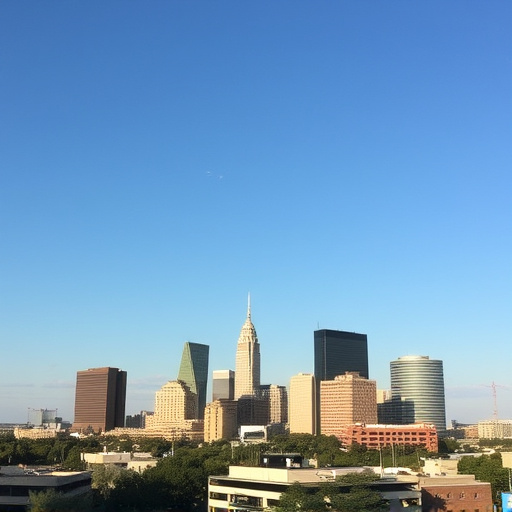
The Pennybacker Bridge, a stunning architectural marvel in Austin, Texas, has become an iconic symbol of the city’s breathtaking sunsets. This remarkable structure, officially known as the Robert J. Johnson Memorial Bridge, offers visitors a unique perspective to capture the most enchanting hues of the sky as the sun dips below the horizon. With its elegant design and strategic location on Lake Austin, the bridge provides a panoramic view that is truly spectacular.
For both locals and tourists alike, Pennybacker Bridge has become a favorite spot for photographers and sunset enthusiasts. Its graceful arches and picturesque setting create an idyllic backdrop for capturing moments of natural beauty. The bridge’s popularity is well-deserved, as it showcases the vibrant colors of Austin’s sunsets, making it a must-visit destination in this dynamic city known for its vibrant culture and stunning landscapes.
Capturing the Magic: Photography Tips for Pennybacker Bridge Sunsets
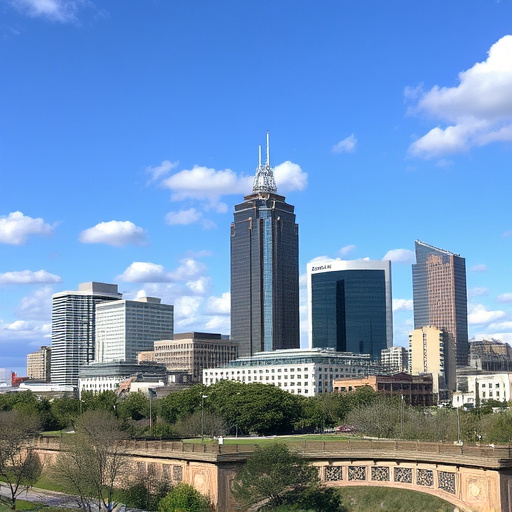
Capture the enchanting beauty of a Pennybacker Bridge sunset in Austin, TX with these photography tips. The best time to photograph is just after the sun dips below the horizon, when warm golden hues paint the sky. Aim to arrive early to secure a prime location and minimize crowds.
Composition is key; frame the bridge against the vibrant backdrop using leading lines from nearby structures or the road. Experiment with different perspectives: shoot from the ground for a dramatic view, or find an elevated spot for a breathtaking panorama. Don’t forget to capture details like silhouettes of people enjoying the scene, adding a sense of scale and human connection to your images.
The Pennybacker Bridge in Austin, TX, stands as a stunning testament to the city’s natural beauty. Its picturesque location offers unparalleled sunset views, inspiring both locals and visitors alike to capture its ethereal magic through photography. With the right techniques, anyone can transform a simple sunset into a breathtaking work of art, immortalizing the vibrant colors and serene moments that make Austin’s skyline so captivating.