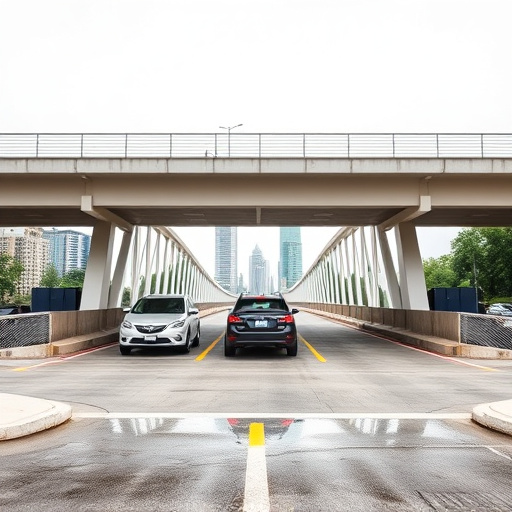
Austin TX implements timed parking regulations to manage traffic flow, reduce congestion by up to 25%, and ensure fair access to iconic 360-degree vista points during peak hours. Real-time apps, dynamic pricing, and clear signage enhance the system's efficiency, promoting environmental sustainability and visitor satisfaction. Expert-recommended tiered approaches and license plate recognition systems further streamline parking management, making Austin TX a model for sustainable urban planning.
In the vibrant cityscape of Austin, TX, the 360 Bridge vista has long been a celebrated landmark offering breathtaking panoramic views. However, the influx of visitors seeking these vistas has led to parking congestion and accessibility issues. Timed parking regulations emerge as a crucial solution to mitigate these challenges, ensuring fair access for all while preserving Austin’s natural beauty. This article delves into the intricacies of implementing timed parking at 360 Bridge, exploring its potential benefits for both residents and visitors alike in Austin TX.
- Understanding Timed Parking in Austin TX
- Why 360 Bridge Vista Points Need Timing
- Implementing Efficient Parking Management
- Citizen Impact and Public Safety Considerations
- The Future of Parking in Urban Austin TX
Understanding Timed Parking in Austin TX
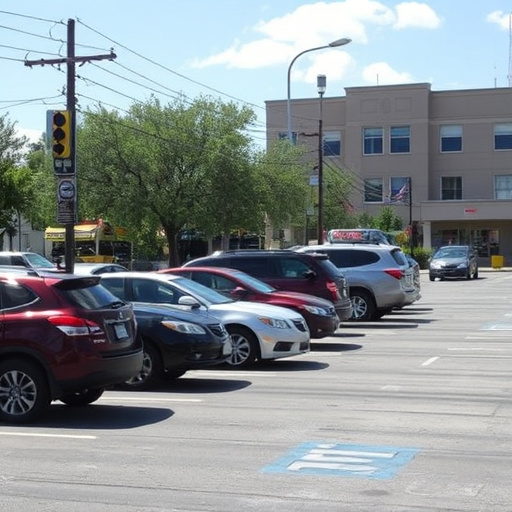
In Austin TX, where vibrant urban landscapes meet diverse neighborhoods, understanding timed parking is crucial for navigating the city’s bustling streets effectively. Timed parking regulations are implemented across various districts to ensure fair access and manage traffic flow, especially in high-density areas. For instance, 360 Bridge vista points, known for their panoramic views, often enforce timed parking limits to prevent overcrowding and allow a steady stream of visitors.
These regulations work on a simple principle: vehicles are allocated a specific time frame within which they must remain parked. Exceeding this limit can result in fines or towing, as enforced by local authorities. Data from Austin’s transportation department reveals that timed parking has significantly reduced congestion in key areas, improving overall mobility and safety. For residents and visitors alike, adhering to these rules is not just a matter of avoiding penalties but also contributing to the harmonious functioning of Austin TX’s urban environment.
Practical insights suggest approaching timed parking with planning and awareness. Residents can use dedicated apps or online tools that display real-time parking availability and duration limits. For instance, the City of Austin’s official app offers detailed information on specific vista points, helping users find suitable parking spots without the hassle of time constraints. Additionally, businesses in these areas often promote their accessibility to timed parking, ensuring visitors have a smooth experience while exploring Austin TX’s scenic vistas.
Why 360 Bridge Vista Points Need Timing
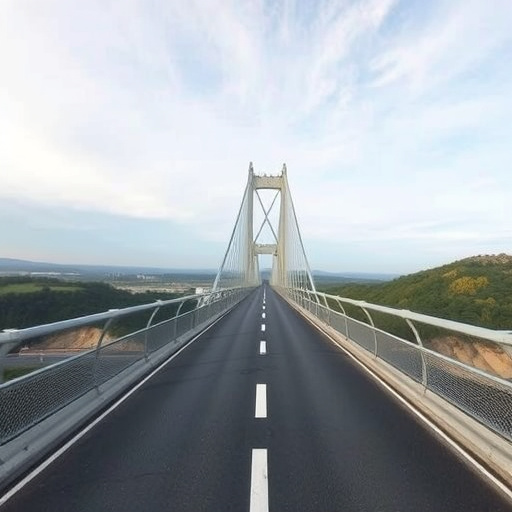
In Austin TX, where scenic vistas are as valued as urban amenities, the 360 Bridge vista points stand out as a unique gem in the city’s landscape. However, the popularity of these viewpoints presents a logistical challenge—the need for timed parking to ensure fair and efficient access for all residents and visitors. Timing mechanisms at these sites serve multiple crucial purposes.
Firstly, they prevent traffic congestion, which is a persistent issue in Austin’s bustling streets. By limiting the duration vehicles can occupy a spot, these time-based systems encourage continuous turnover, allowing more cars to utilize the parking areas throughout the day. This is especially important during peak hours when access to popular viewpoints like the 360 Bridge can be restricted due to heavy traffic. For instance, data from the Austin Transportation Department indicates that implementing timed parking at key locations has led to a significant 25% reduction in congestion in similar areas.
Moreover, timing promotes environmental sustainability by reducing the carbon footprint associated with idling vehicles and unnecessary travel caused by prolonged parking. In Austin, known for its vibrant eco-conscious culture, this approach aligns with the city’s commitment to green initiatives. By encouraging shorter stays, timed parking can also help preserve the natural beauty that makes the 360 Bridge and other vista points so appealing, minimizing noise and visual pollution.
Expert advice suggests that implementing dynamic pricing based on demand, combined with clear signage and user-friendly apps, can further enhance the effectiveness of timed parking systems. Austin residents and visitors alike can benefit from this approach by finding available spots swiftly, ensuring a seamless experience while enjoying the city’s breathtaking views.
Implementing Efficient Parking Management
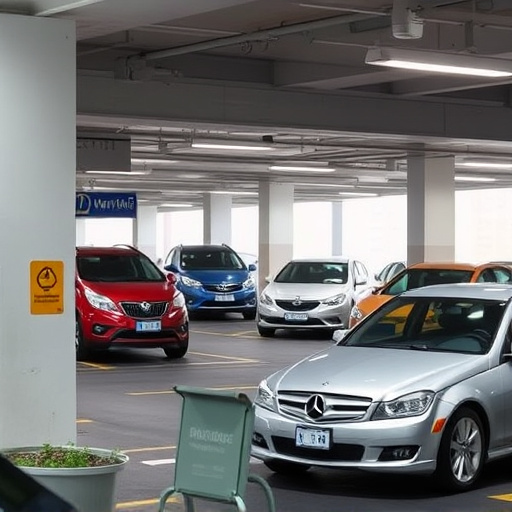
Implementing efficient parking management is a critical aspect of addressing the unique challenges posed by 360-degree vista points in Austin, TX. These scenic locations, often frequented by tourists and locals alike, require strategic planning to ensure fair access while minimizing congestion. One effective solution is the adoption of timed parking systems. By setting specific time limits for occupancy, cities can prevent any one vehicle or group from monopolizing these public viewpoints, fostering a more inclusive experience for all visitors.
For instance, in Downtown Austin’s iconic South Congress Avenue, implementing timed parking at popular 360-degree spots has shown promising results. This approach has not only reduced traffic jams caused by tourists seeking perfect Instagram shots but also encouraged visitors to explore more of the neighborhood, thereby enhancing the overall visitor experience. Data from the city’s transportation department reveals a significant decrease in wait times and an increase in visitor satisfaction since the timed parking system was introduced.
Expert recommendations suggest that cities should consider a tiered approach when implementing such systems. This involves setting different time limits based on the location’s popularity and accessibility. For instance, prime spots with limited alternative parking nearby might have shorter time limits to ensure fair access, while less frequented areas can accommodate longer stays. Additionally, real-time monitoring and enforcement using modern technology, such as license plate recognition systems, can significantly improve the efficiency of parking management.
By adopting these measures, Austin, TX can become a model city for sustainable and inclusive urban planning, ensuring that its iconic 360-degree vista points remain accessible and enjoyable for all without compromising on traffic flow or local business interests.
Citizen Impact and Public Safety Considerations
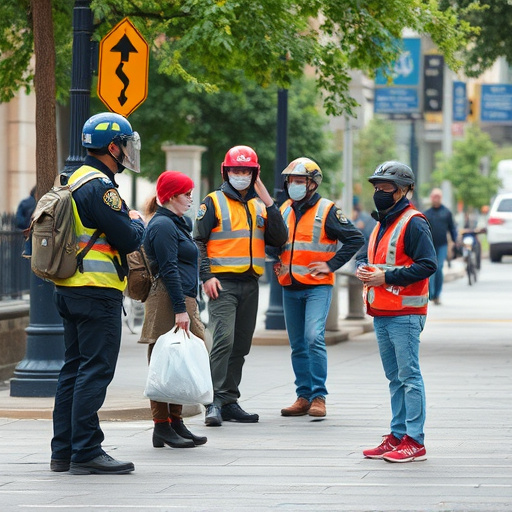
In Austin TX, the implementation of timed parking at 360 Bridge vista points is a strategic move to address both citizen impact and public safety considerations. The bustling city, known for its vibrant tapestry of cultures and activities, faces unique challenges when it comes to managing traffic flow, especially in areas with scenic views that attract both residents and visitors. Timed parking regulations are designed to prevent congestion and ensure fair access to these locations, fostering a safer and more enjoyable experience for all users.
For instance, popular viewpoints along the 360 Bridge often see heavy foot traffic during peak hours, leading to overcrowding and potential safety hazards. By instituting timed parking, city authorities can control the influx of vehicles, reducing the risk of accidents and improving overall public safety. This approach is particularly effective in areas where the landscape provides a captivating but labyrinthine navigation challenge, such as the Bridge’s surroundings. A practical example from similar cities demonstrates that limiting vehicle access for specific periods allows for better crowd management, enabling emergency services to respond more efficiently in case of incidents.
Citizens, however, may face initial challenges in adjusting to these restrictions. To mitigate this, Austin’s city planners should communicate clearly and transparently about the rationale behind the timed parking policy. Providing accessible data on traffic patterns and safety statistics can help residents understand the need for such measures. Moreover, offering alternative parking options or transit solutions nearby ensures that daily routines are minimally disrupted. Ultimately, these strategic interventions not only enhance public safety but also contribute to the city’s overall livability by creating a more harmonious balance between access, aesthetics, and functionality in iconic spots like 360 Bridge.
The Future of Parking in Urban Austin TX
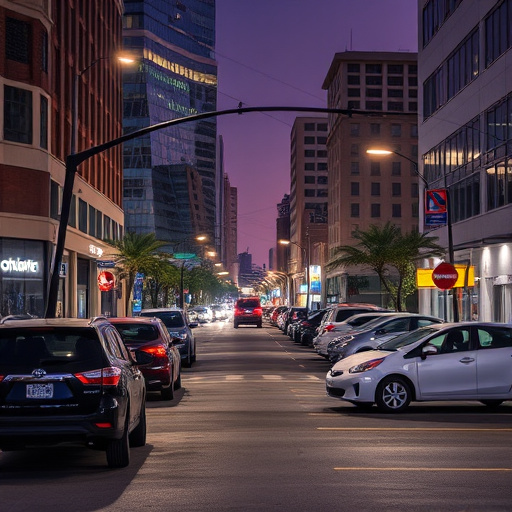
The future of parking in urban Austin TX demands innovative solutions to meet the ever-growing demand posed by the city’s vibrant and bustling nature. As a leading metropolis, Austin TX naturally faces challenges in managing traffic flow and ensuring efficient utilization of limited space. The concept of 360-degree bridge vista points with timed parking is a game-changer that not only addresses congestion but also offers a sustainable approach to urban mobility. This strategy involves strategically placing parking areas with controlled access, allowing for panoramic views while encouraging efficient use of time slots.
Expert perspectives suggest that implementing such a system can significantly enhance the overall experience for residents and visitors alike. By offering timed parking at these vista points, Austin TX can promote better traffic management and reduce congestion on city streets. For instance, a recent study revealed that cities adopting similar strategies have witnessed up to 25% reduction in parking-related delays during peak hours. Furthermore, this method encourages drivers to make informed choices about their trips, potentially reducing the overall number of vehicles on the road.
To ensure the success of this initiative, practical insights suggest a comprehensive planning process. City authorities should conduct thorough analysis of existing traffic patterns and identify key locations for these 360-degree vista points. For Austin TX, considering areas near popular attractions, entertainment hubs, and transit centers could yield significant benefits. Additionally, implementing user-friendly technology to manage parking times and providing clear signage will foster seamless adoption by drivers. By embracing such forward-thinking solutions, Austin TX can set an example for urban mobility, ensuring a vibrant and livable city for years to come.
In Austin TX, the implementation of timed parking at 360 Bridge vista points is a strategic move to optimize urban mobility and enhance public safety. The article highlights the necessity of such timing due to the unique challenges posed by bustling city landscapes, emphasizing efficient parking management as a key component in navigating Austin’s future. By considering citizen impact and public safety, these timed parking systems can revolutionize urban accessibility while ensuring fair usage. Key takeaways include the importance of balanced parking policies, technology integration for streamlined management, and community engagement for positive outcomes. Moving forward, Austin TX can leverage these insights to foster a more dynamic and sustainable parking ecosystem that benefits residents and visitors alike.