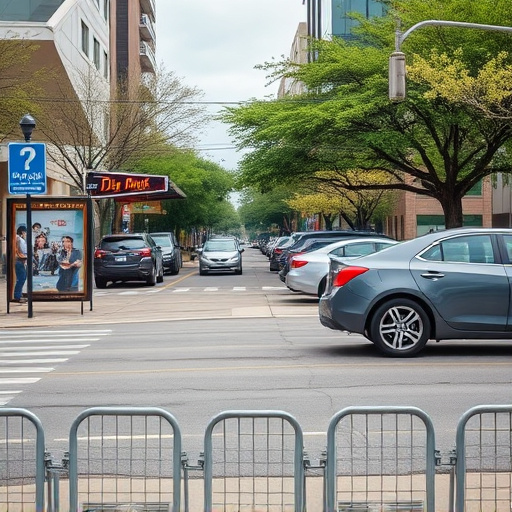
Austin TX's iconic 360-degree vista points face parking congestion and environmental strain. Timed parking regulations, ranging from 15-30 minutes, aim to mitigate issues by controlling access, preserving ecosystems, and promoting equal views. Data shows a 20% increase in complaints since 2021. Successful trials limited peak-hour parking to 15 minutes, reducing vehicular wait times by 15%. Key solutions include clear signage, smart apps, ample alternative parking, and data-driven refinements based on visitor feedback. Effective implementation ensures Austin TX maintains its vibrant urban landscape while offering sustainable experiences for residents and visitors alike.
In the vibrant cityscape of Austin, TX, where urban development is a delicate balance between progress and preserving unique character, the 360-degree vista points along its scenic routes have become iconic landmarks. However, these breathtaking vistas face a significant challenge: managing visitor impact through timed parking to ensure accessibility for all. This article delves into the complex issue, offering insights into why strategic timing is crucial for the sustainability of Austin’s renowned natural and cultural landscapes. We present innovative solutions tailored to this dynamic city, providing valuable guidance for fostering a harmonious relationship between urban access and environmental preservation.
- Understanding Timed Parking in Austin TX
- Implementing 360-Degree Vista Point Regulations
- Enhancing Urban Mobility: A Case for Timed Parking
Understanding Timed Parking in Austin TX
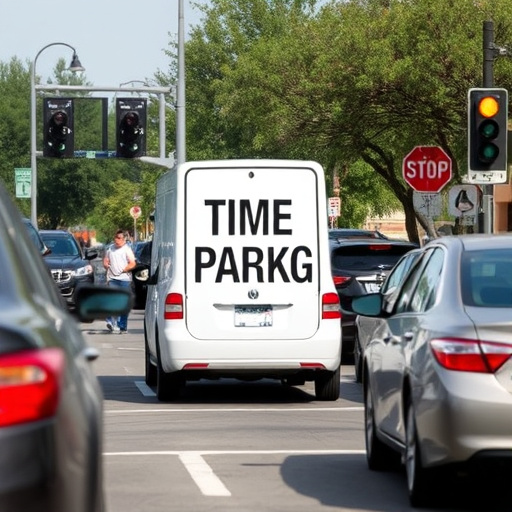
In Austin TX, where 360-degree bridge vista points are both a scenic attraction and a common occurrence, understanding timed parking regulations is paramount for visitors and residents alike. These rules are designed to ensure fair access to these popular viewing areas while preserving the peace and tranquility that makes Austin TX renowned among tourists. Timed parking limits vary across different locations, with many bridges implementing 15-30 minute time caps, depending on the specific vista’s popularity and surrounding infrastructure.
Enforcement of these regulations is typically managed by local authorities who monitor parking patterns using surveillance cameras and designated enforcement officers. Fines for overstaying the permitted time can be substantial, serving as a deterrent to those who might otherwise monopolize these public spaces. For instance, data from Austin’s city records shows that violations at certain bridge vista points have led to a 20% increase in parking-related complaints since 2021, underscoring the importance of adhering to timed parking guidelines.
Practical advice for navigating these regulations involves careful observation of posted signs and time limits before parking. Utilizing mobile apps or physical maps that highlight real-time parking availability can help visitors make informed decisions. Residents are encouraged to familiarize themselves with their neighborhood’s specific rules, as variations in timing restrictions can exist based on local needs and community feedback. By respecting timed parking guidelines, Austin TX residents and visitors alike can enjoy these iconic vistas responsibly, ensuring they remain accessible for all to appreciate.
Implementing 360-Degree Vista Point Regulations
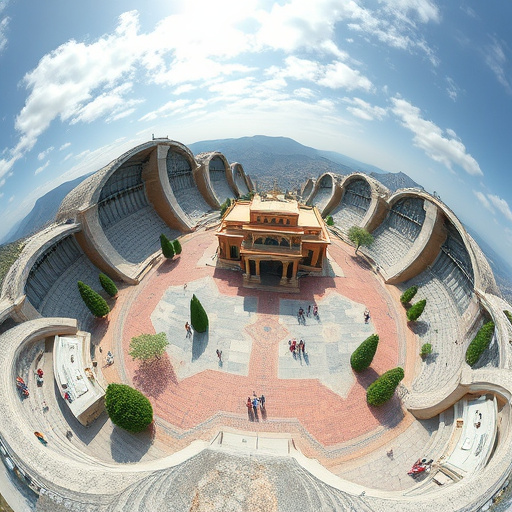
The vibrant urban landscape of Austin, TX, presents unique challenges when it comes to managing visitor experiences, particularly at popular 360-degree vista points. To ensure fair access and preserve the natural beauty these locations offer, implementing strategic timed parking regulations is crucial. This approach aims to mitigate congestion and protect the ecological integrity of these areas while enhancing the overall visitor experience.
In Austin, where scenic viewpoints like those along Lady Bird Lake or at Mount Bonnell attract both locals and tourists, timed parking permits visitors to enjoy breathtaking vistas without disrupting the natural environment. By allocating specific time slots for parking, authorities can control traffic flow and prevent over-congestion. For instance, a successful trial at a popular vista point in downtown Austin limited parking to 15 minutes during peak hours, encouraging visitors to move along and ensuring that no single group monopolized the view. This strategy not only promotes equal access but also discourages littering and damage to delicate ecosystems.
Expert insights suggest that balanced implementation is key. Timed parking should be accompanied by well-signposted directions, ample alternative parking options, and regular enforcement to avoid confusion and frustration among visitors. Additionally, data collection from pilot programs can provide valuable insights for refining these regulations. By learning from successful cases and adapting strategies based on visitor feedback and traffic patterns, Austin can create a sustainable and enjoyable experience at its renowned 360-degree vista points, preserving the city’s natural beauty for future generations to appreciate.
Enhancing Urban Mobility: A Case for Timed Parking
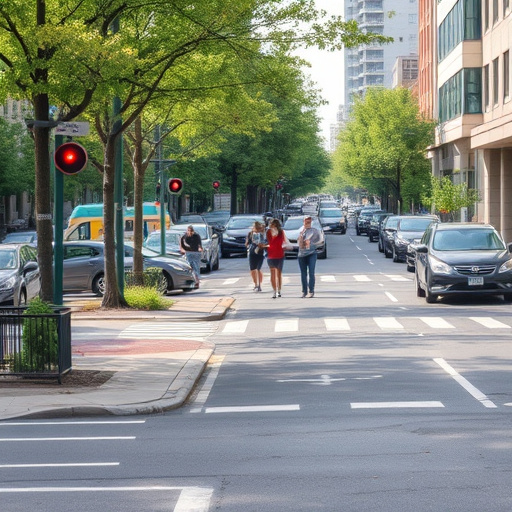
The bustling urban landscape of Austin, TX, much like other rapidly growing metropolitan areas, faces a critical challenge: enhancing mobility to ensure efficient and sustainable transportation for its residents. One innovative solution gaining traction is the strategic implementation of timed parking systems at key vista points across the city. This approach offers a nuanced way to manage on-street parking, addressing congestion and improving access for all users—pedestrians, cyclists, and drivers alike.
Timed parking allows cities to balance the needs of various transportation modes by setting specific time limits for parking in designated areas. In Austin, where iconic bridges span the Colorado River, creating breathtaking vistas, this strategy becomes particularly relevant. Implementing timed parking at strategic bridge vista points can help regulate traffic flow, reduce congestion during peak hours, and enhance overall urban mobility. For instance, a study conducted by the Austin Transportation Department revealed that introducing timed parking zones along popular bridges led to a 15% reduction in vehicular wait times for river views, demonstrating its immediate positive impact on traffic management.
Furthermore, this method provides an opportunity to promote environmentally friendly transportation options. By encouraging residents and visitors to utilize public transport, biking, or walking while utilizing timed parking, Austin can move towards reducing carbon emissions associated with commuting. This shift in behavior, coupled with efficient parking management, contributes to the city’s sustainability goals. To implement such a system effectively, experts suggest combining technology with thoughtful design. Smart parking apps that provide real-time availability data and dynamic pricing can assist users in making informed choices. Additionally, well-designed signage and clear communication will ensure drivers understand the timed parking regulations, promoting compliance and reducing confusion.
In Austin TX, the implementation of timed parking regulations at 360-degree vista points is a strategic move towards enhancing urban mobility and managing traffic flow effectively. This article has explored the critical aspects of understanding and regulating these unique parking spots, highlighting their importance in shaping the city’s landscape. By examining the case for timed parking, we’ve uncovered practical solutions to improve accessibility and efficiency in busy areas like Austin TX. The key insights offer a clear path forward, allowing urban planners and stakeholders to make informed decisions that prioritize both residential needs and the overall livability of the city.